How Much Does a Stadium LED Display System Actually Cost?
A practical breakdown of what drives the price of a stadium LED display system — from perimeter boards to center-hung cubes — and why two venues with identical screen sizes can still differ by 40% in total cost.
“How much does a stadium LED display cost?” is one of the first questions every venue operator asks — and one of the last questions that gets a straight answer. Most quotes you receive will include a single number with no breakdown, which makes it impossible to know whether you are paying for engineering, hardware, or service.
In this article, we break down what actually drives the cost of a stadium LED display system in 2026 — the components, the variables, and the pricing ranges you should expect for perimeter boards, center-hung cubes, and turnkey installations.
What You Are Actually Buying
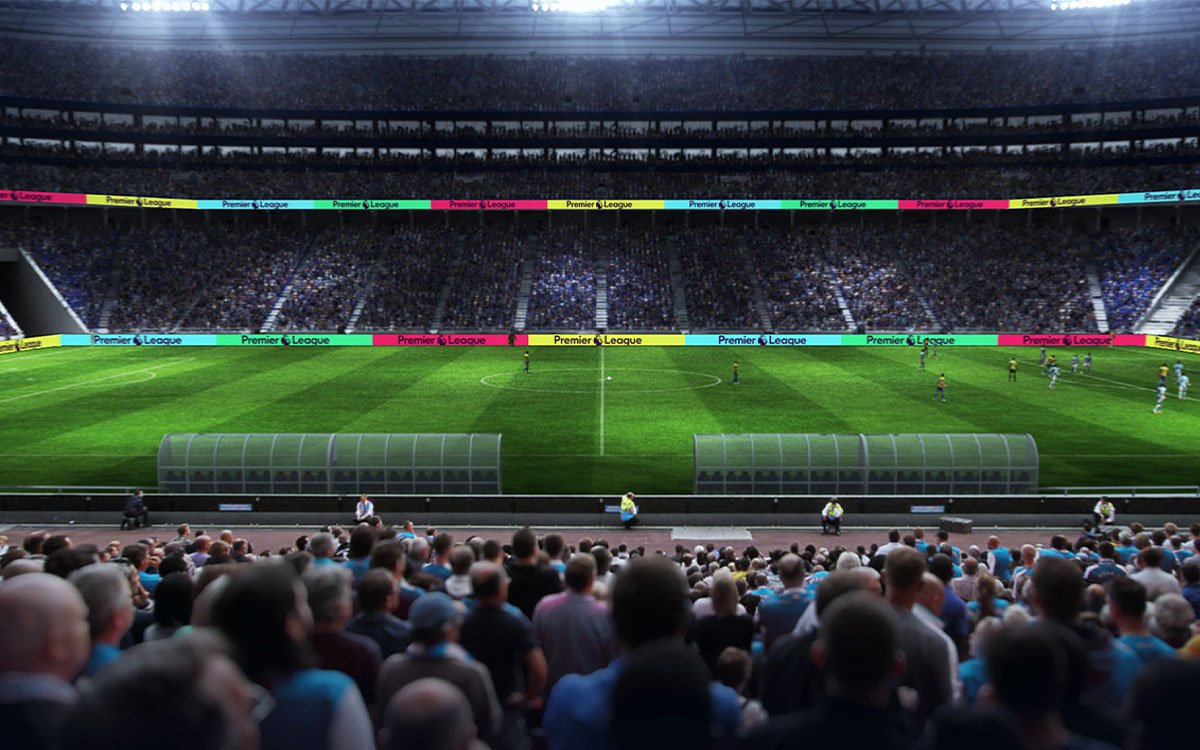
A “stadium LED display” is not a single product. It is a system with four distinct layers, each with its own cost structure:
- The LED display hardware: modules, cabinets, power supplies, receiving cards — this is the visible layer, but usually only 45–60% of total cost.
- The mounting and structural system: frames, brackets, rigging points, and any custom engineering required for your venue’s structure.
- The control software and signal chain: sending cards, processing, the control platform, and integration with your timing or broadcast systems.
- Installation, commissioning, and service: on-site rigging, calibration, training, and ongoing support — often the most underestimated part of the budget.
When a supplier quotes you a single number, they are compressing all four layers into one figure. That makes comparison shopping almost impossible — unless you ask for a line-by-line breakdown, which we always recommend.
Why Two Venues With the Same Screen Size Can Differ by 40%
A 60-meter perimeter ring in a mid-tier football stadium and a 60-meter perimeter ring in a broadcast-grade national stadium may share the same physical dimensions — but they are not the same project. Here are the real cost drivers:
1. Pixel Pitch and Viewing Distance
A pitch-side perimeter board viewed from 5 meters requires a much finer pixel pitch than a scoreboard viewed from 80 meters. Moving from P10 to P6 can nearly double the module cost — but it may be unnecessary if your audience is far away.
2. Brightness and Weather Rating
An outdoor perimeter board in direct sunlight needs 6,000+ nits and IP65 sealing. The same size screen in an indoor arena can be 1,200 nits and IP30 — a 30–40% hardware cost difference on the same physical size.
3. Refresh Rate for Broadcast
Venues that appear on live television require 3,840Hz or 7,680Hz refresh rates so the screens do not flicker on camera. This adds cost to both the LED modules and the receiving card.
4. Structural Complexity
A perimeter ring that sits on a straight aluminum track is cheap to rig. A center-hung cube that has to be lifted to a specific height, in a specific orientation, with weight limits on the roof structure, is a different engineering project altogether.
Typical Cost Ranges in 2026
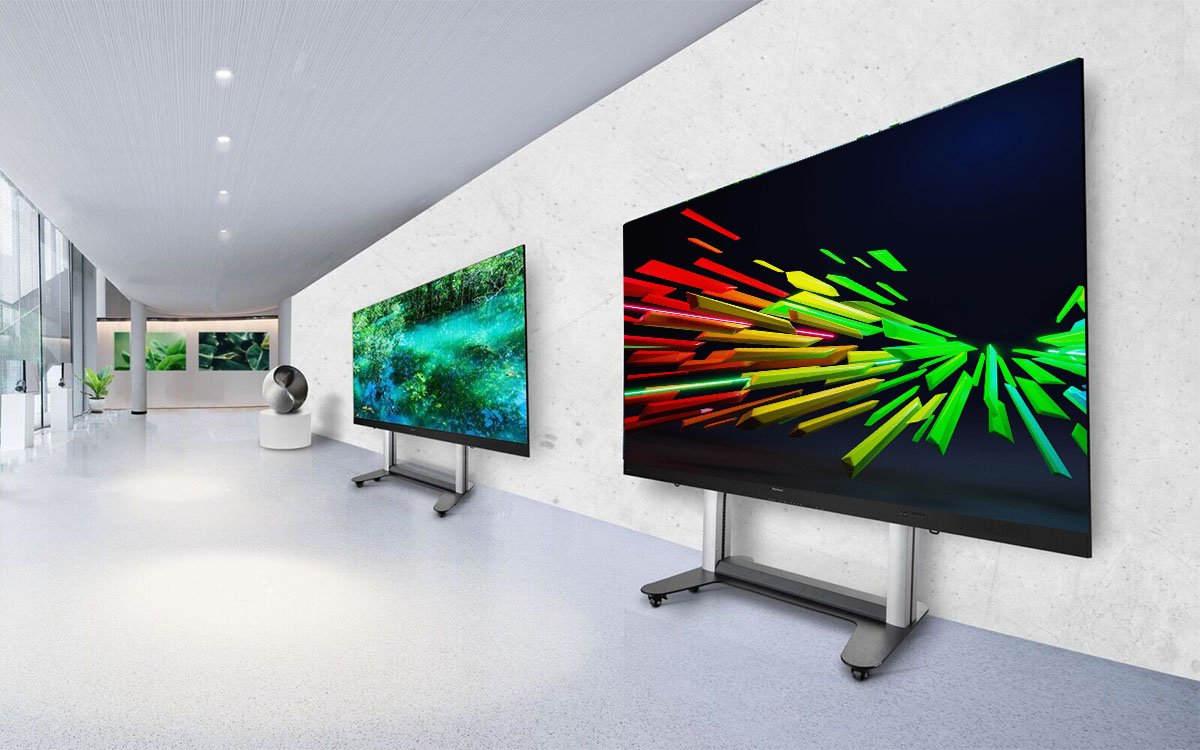
Below are indicative ranges for stadium LED display systems in 2026, based on standard configurations and mid-tier venues. These figures are for reference only — every project is quoted individually.
| Component | Common Range | Cost per m² |
|---|---|---|
| Perimeter LED Boards (P6–P10, outdoor) | 40–120 m² | $1,200 – $2,500 |
| Center-Hung Scoreboard (P4–P8) | 20–60 m² | $2,000 – $3,800 |
| Indoor Court-Side LED Rings | 30–90 m² | $1,500 – $2,800 |
| Control Software & Signal Chain | Per system | $8,000 – $25,000 |
| Installation & Commissioning | Per project | 15–25% of hardware |
These ranges exclude import duties, local taxes, structural steelwork, and any venue-specific engineering. For a complete, turnkey project, expect the final figure to be significantly higher than the hardware cost alone.
What Most Quotes Leave Out
The single biggest reason clients are surprised by final costs is that the initial quote did not include everything they assumed it did. Here are the items that most often appear later:
- Structural steelwork: mounting frames, brackets, and rigging hardware are often quoted separately from the display modules.
- International freight: shipping costs depend heavily on volume, route, and whether the shipment is FCL or LCL.
- Import duties and taxes: these are typically the client’s responsibility and can add 5–25% depending on the destination country.
- On-site labor: if local rigging teams are required, their cost is outside the display supplier’s quote.
- Operating software and training: some suppliers charge separately for the control software, system integration, and staff training.
- Ongoing service and warranty: long-term support, spare parts, and preventive maintenance are often excluded unless a service plan is added.
The Hidden Cost of a “Cheap” System
Buying the lowest-priced system is not always the cheapest decision. There are three hidden costs that tend to appear 12–24 months after installation:
1. Failure Rate and Downtime
Lower-cost modules often use lower-binned LEDs and cheaper power supplies. The failure rate may not appear in year one, but by year three the difference between a 0.5% and 2% failure rate can mean dozens of dead pixels during a live match.
2. Service and Spare Parts
Suppliers that cut corners on hardware often cut corners on service too. When something fails, replacement parts can take weeks — or be discontinued entirely. For a stadium, a display that is offline for a week is a serious operational issue.
3. No Upgrade Path
Venue requirements change. New sports, new data feeds, new broadcast standards. A display system that cannot be upgraded with new control software or additional modules becomes obsolete much faster.
How to Compare Quotes Properly
When you receive quotes from multiple suppliers, do not compare the total numbers directly. Instead, compare them line by line, using the same categories:
- Hardware: same pixel pitch, same brightness, same IP rating, same module type.
- Structure: mounting system, cabinet material, and any custom fabrication included or excluded.
- Software: control platform, signal processing, and data integration scope.
- Delivery terms: which Incoterm, who pays freight, who handles customs.
- Installation: on-site supervision, commissioning, and training included or not.
- Warranty and service: length, scope, and what happens when something fails.
Budget for the Whole Lifecycle, Not Just the Screen
The purchase price of a stadium LED display is only one part of the total cost of ownership. Over a typical 8–10 year lifecycle, you should also budget for:
- Routine maintenance: cleaning, calibration, and module replacement.
- Spare parts reserves: critical components that should be stocked locally for fast replacement.
- Software updates: control software and firmware that keep the system current.
- Hardware refresh: some modules will need replacement every 5–7 years, depending on usage.
- Service contracts: ongoing remote monitoring and on-site support, if your venue runs a regular schedule.
For a venue that operates match days 30 times a year, the annual operating cost of a display system can be 5–10% of the original purchase price. Budgeting for this upfront avoids surprises later.
The Bottom Line
There is no single price for a stadium LED display system. The number depends on pixel pitch, brightness, weather rating, structural complexity, control software, delivery terms, and service coverage. Two venues with the same physical screen size can differ by 40% — because they are not the same project.
The best way to get a real number is to request a turnkey quote that separates hardware, software, structural, and service components. That way, you can compare projects fairly — and understand exactly where your money is going.
Get a Real Cost Estimate for Your Venue
Send us your venue type, screen dimensions, and target date. We’ll respond with a line-by-line cost estimate — no obligation, no inflated numbers.
Request a Project Quote