
One Arena, Any Sport
Multi-sport venues LED display system host basketball, volleyball, badminton, handball, esports, and concerts — all in the same building. We deliver display systems that reconfigure between event types without hardware changes.
Four Multi-Sport Tiers, Four System Designs
A community hall hosting weekend volleyball and a national arena running international tournaments are not the same project. Here is how we typically configure each tier of multi-sport venues LED display system.
Community Multi-Sport Hall
Local halls hosting weekend leagues, school competitions, and community events. A single court-side ring and an entry display — no center-hung required.
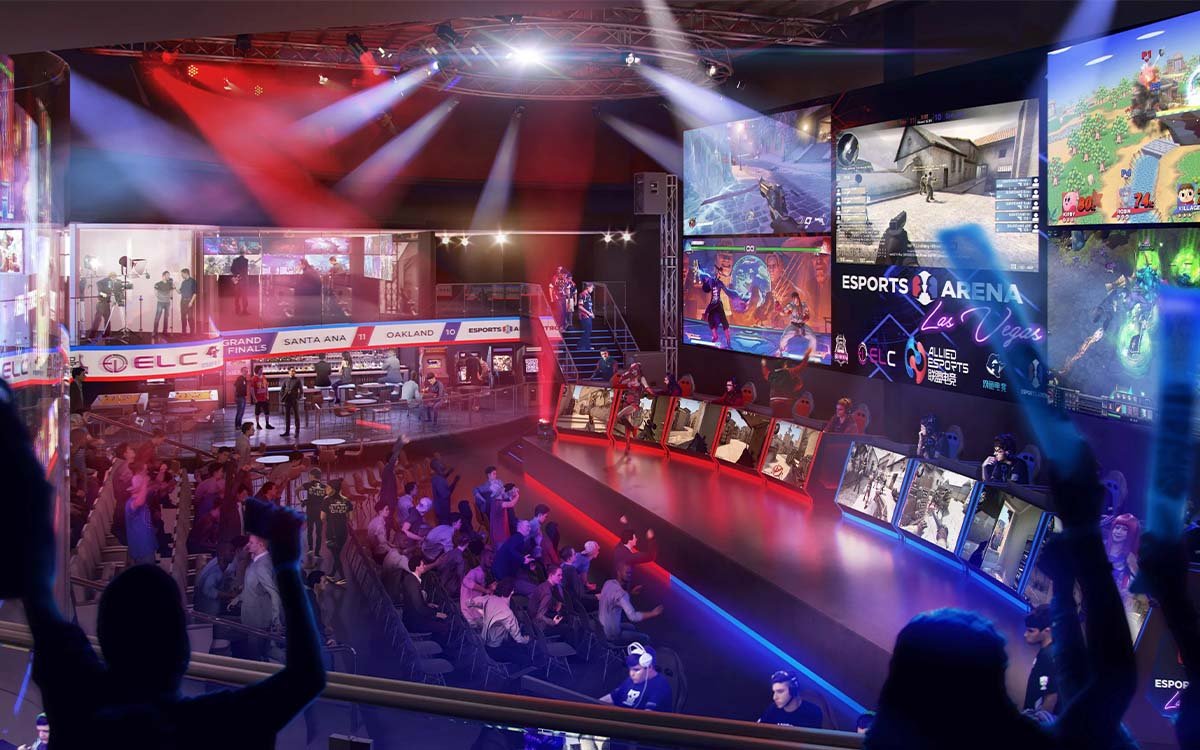 Community Hall
01
Regional Sports Arena
Regional multi-purpose arenas LED displays for hosting league games and entertainment events. Full court-side ring, center-hung cube, and entry displays on one platform.
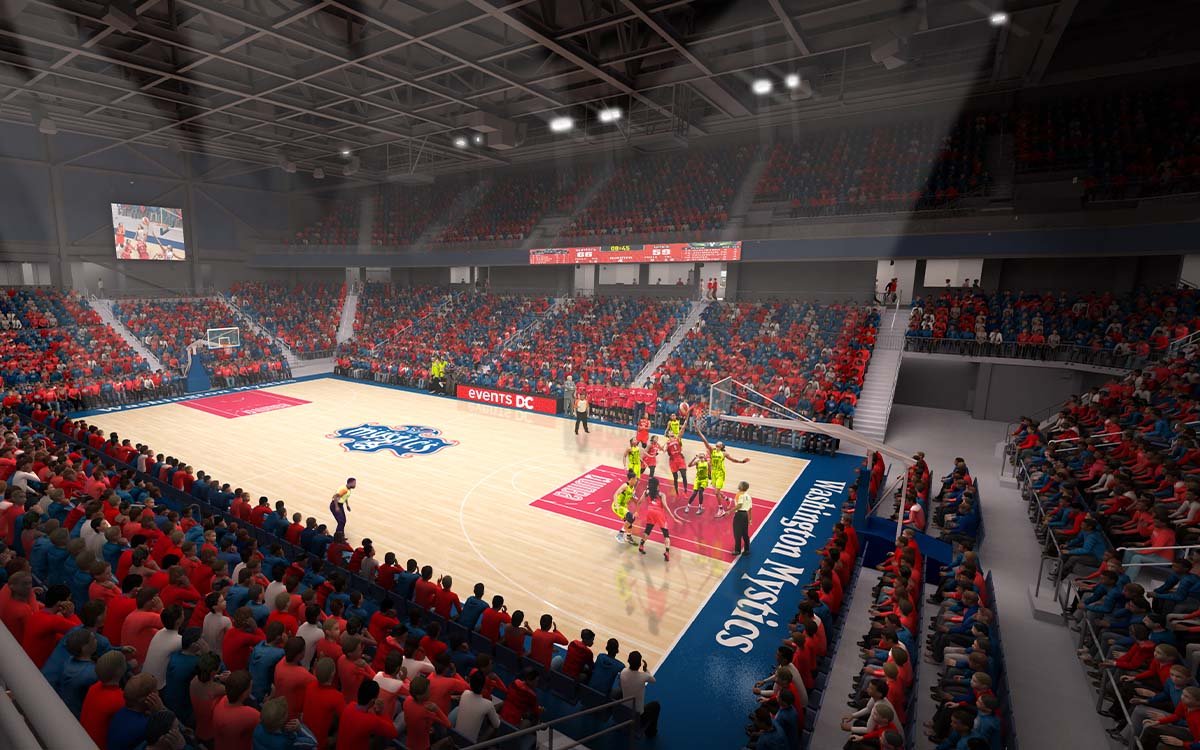 Regional Arena
02
National Multi-Event Arena
National venues hosting international tournaments, esports championships, and live entertainment. Broadcast-grade LED panels with full multi-sport reconfiguration.
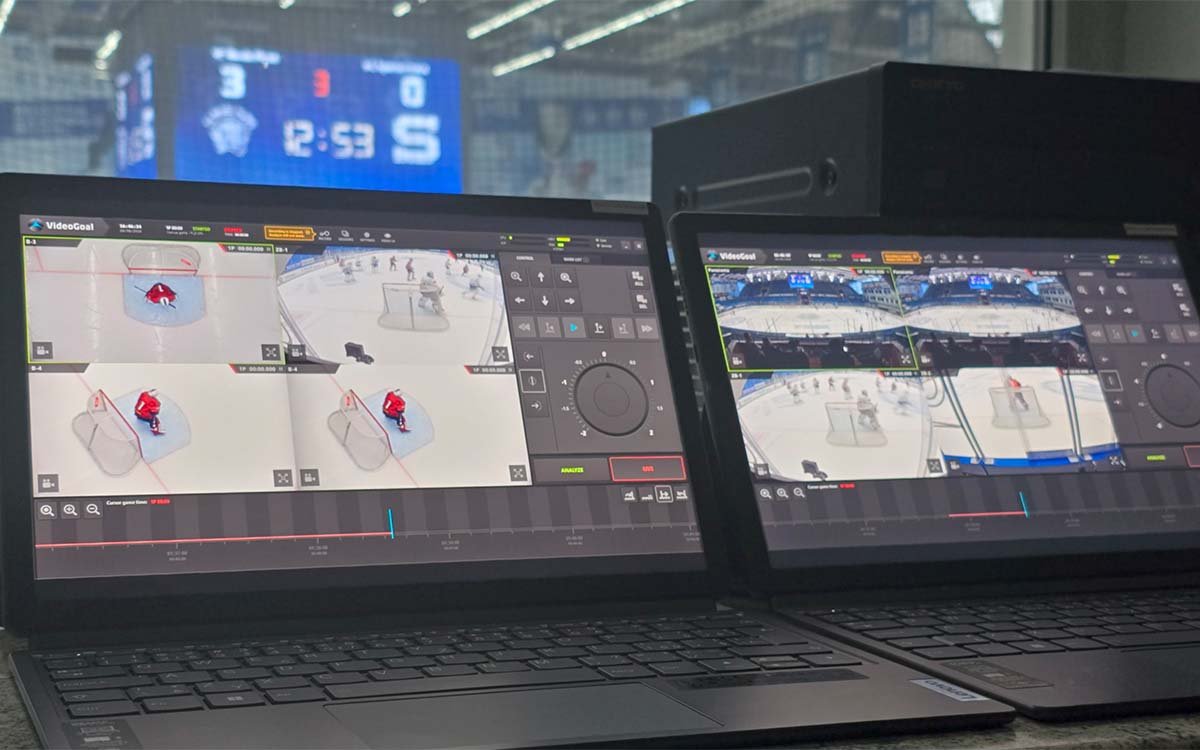 National Arena
03
Convention & Sports Hybrid
Hybrid venues that switch between trade shows, conferences, esports events, and community sports. Display content adapts to each event layout.
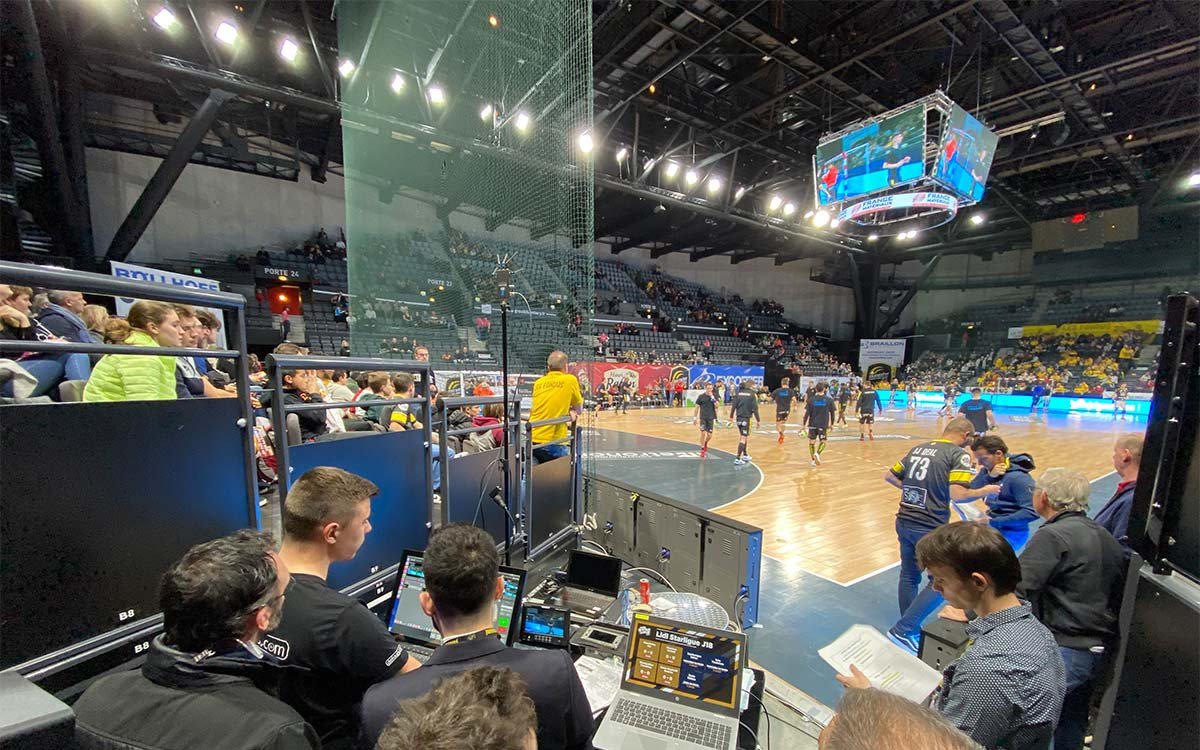 Hybrid Venue
04
Same Screens, Different Roles
GobLED multi-sport venues LED display system specially designed for multi-sport venue runs basketball on Saturday, a concert on Friday, and an esports final the week after. Here is how the same GobLED sports LED panel system reconfigures between four typical event modes — without hardware changes.
One Day, Three Events
A multi-sport venue typically hosts a conference in the morning, a basketball game in the afternoon, and a concert in the evening. Here is how the multi-sport venues LED display system switches between those events in a single day.
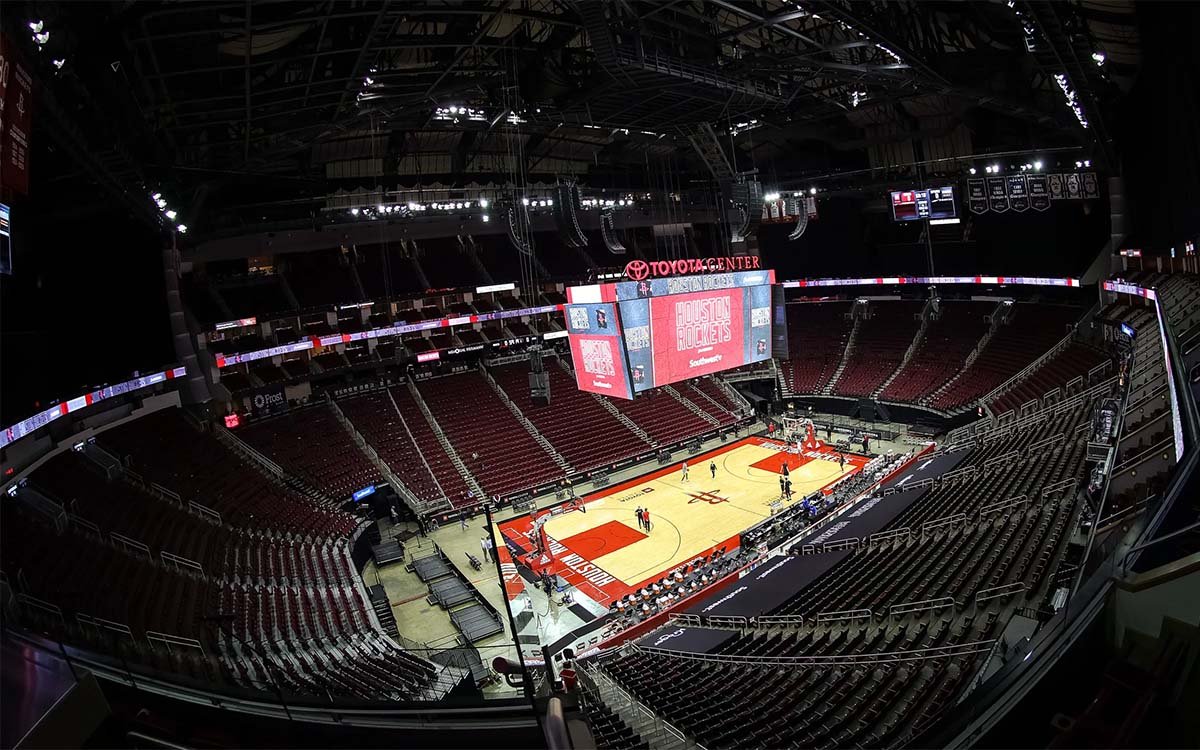
A National Arena Supporting 6 Sports
The national multi-sport arena delivered with one multi-sport venues LED display system that switches between basketball, volleyball, handball, esports, concerts, and exhibitions — all running on one control platform, all pre-configured for the entire event calendar.
-
01 / SCOPEEvent Calendar Review & System Scope Full-year event mix analyzed — 6 event types, 180+ event days, system scope defined around peak requirements.Wk 1–2
-
02 / DESIGNMode Architecture Design Six content modes designed — each with its own screen usage pattern, data source, and switch procedure.Wk 2–4
-
03 / BUILDProduction & Mode Pre-Configuration All GobLED sports LED panels produced and every mode pre-configured in the control system before shipment.Wk 4–9
-
04 / INSTALLInstallation & Multi-Mode Testing System installed, then tested through full mode-switch cycles — exhibition → basketball → concert — before handover.Wk 9–12
-
05 / LIVECalendar Loaded & First Event Full-year event calendar loaded, operators trained on mode-switching, system live from the first event.Wk 12–13
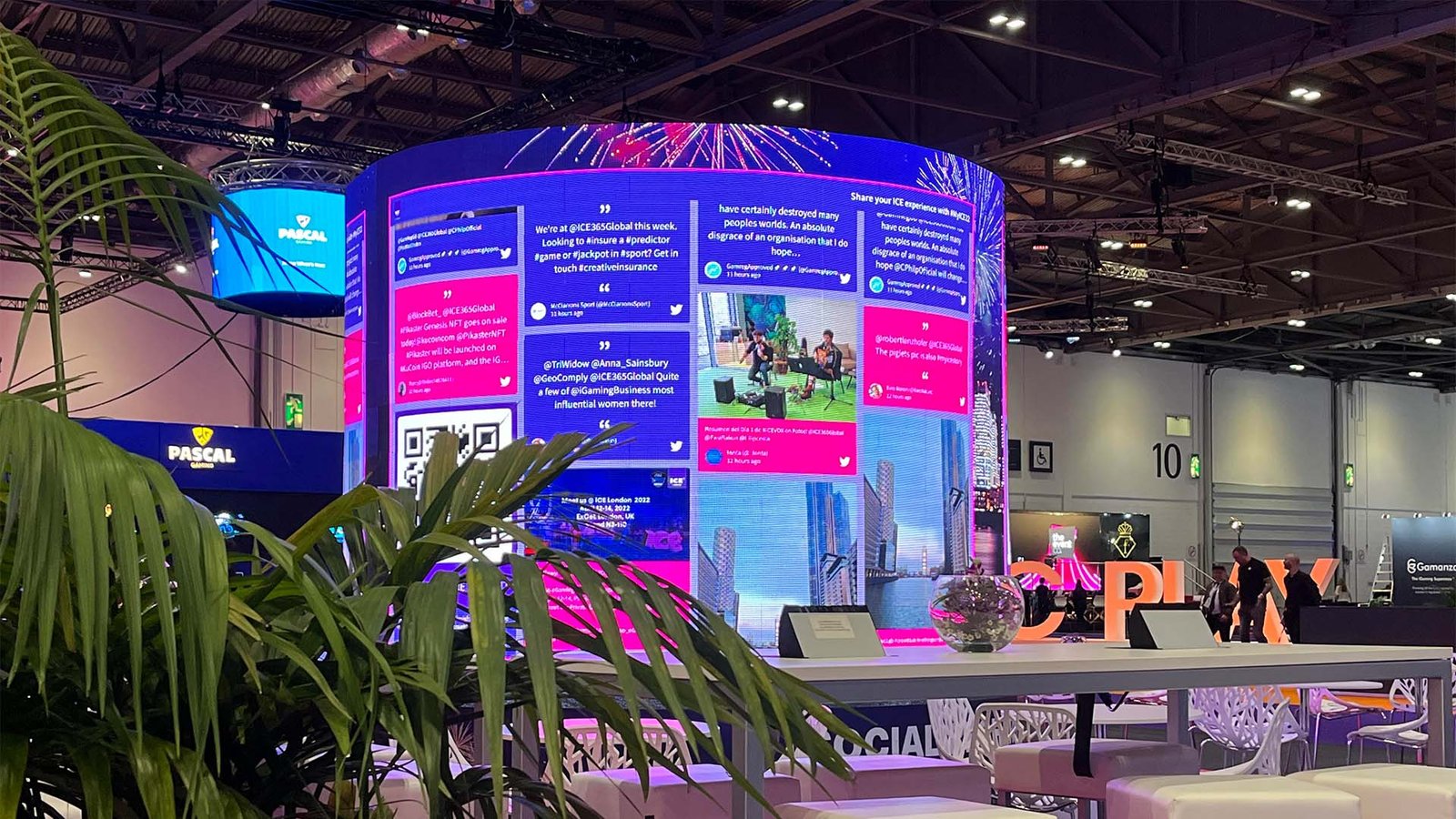
 Center-Hung Install
EU-08
Turnkey Multi-Sport Arena · 2025 Q2
The single biggest operational change was in the switching. We used to spend 30 to 45 minutes between events — reloading content, checking screens, re-testing feeds. Now the multi-sport venues LED display system switches itself. The operations team is down from two people to one, and the events still run without any issues. That single change justified the entire project.
One Contract · Six Stages
A multi-sport venue runs more than one sport — and more than one event type. Every stage is scheduled against your event calendar, and the system is tested through multiple mode switches before handover.
- Event types inventory
- Peak requirement analysis
- Venue geometry survey
- Per-mode content layout
- Data source mapping
- Switch procedures
- Export & freight
- Customs clearance
- Event-window staging
- Full system assembly
- Mode cycle testing
- Multi-source integration
- Annual calendar loaded
- Operator training
- First event live
- Event calendar review & system scoping
- Multi-mode architecture design
- Panel production & mode pre-configuration
- International freight & customs clearance
- On-site installation & mode cycle testing
- Calendar loading, training & warranty
- Event calendar documentation
- Installation window between events
- Grid power & data source access
- Import duties & local taxes
Questions Before You Commit
The four questions multi-sport venue operators ask us most often — reconfiguration, content profiles, control systems, and shared operations.
- Sport profiles stored on the controller — basketball, volleyball, handball, futsal, and esports each have their own saved layout, data feed, and content mapping
- Physical screen roles are pre-assigned — during basketball the center-hung shows score and shot clock; during volleyball the same screens show set scores and net-side statistics
- Switch time under 60 seconds — the operator selects the sport profile, and every screen re-maps instantly with no manual re-patching
- No production re-work — the screens themselves are identical; only the content and data mapping change between sports
- Non-sport modes — concerts, corporate events, ceremonies, and exhibitions each have their own content profile on the same control system
- Ambient mode — during concerts, the center-hung and court-side rings become visual backdrops, synchronized with lighting and video content
- Sponsor and wayfinding modes — concourse and entry displays continue running sponsor loops, ticket info, and wayfinding regardless of the main event
- No hardware changes — the same GobLED sports LED panels serve every event type; only the content profile changes
- Single control room, single interface — one operator controls every screen in the venue from one dashboard
- Unified data layer — basketball timing, volleyball scoring, and event schedules all feed the same content engine
- Shared sponsor inventory — sponsor contracts are managed once, across all sports and events, with per-event scheduling rules
- One training program — operators learn one system, not three; new event types are added as profiles, not as new software
- Independent zone control — each court or hall has its own screen group, running its own content and data feed
- Shared central operations — all zones are visible and controllable from one operations dashboard
- Concurrent events — a youth tournament on Court A and a professional match on Court B can run simultaneously, each with its own scoreboard and sponsor rotation
- Central data hub — a shared display or hub screen can show live schedules, results, and venue-wide announcements across all courts
Get a Real Multi-Sport System Plan
Send us your court count, sport types, and event calendar. Our engineers will respond with a complete multi-sport venue display system plan — unified control platform, per-sport content profiles, shared sponsor inventory, and concurrent event scheduling, all scoped to your venue.
Request a Multi-Sport Assessment