Perimeter LED Boards vs Center-Hung Scoreboards: What Your Venue Actually Needs
Every stadium LED project comes down to one question: which display systems do you actually need? This guide compares the two most common systems — perimeter boards and center-hung scoreboards — and explains which one solves which problem.
When planning a stadium LED project, most venue operators face the same question early on: do we need perimeter boards, a center-hung scoreboard, or both? Each system solves a different problem — and getting the combination right determines both the budget and the fan experience.
This guide compares the two systems side by side: what each one is designed for, what it costs, what it requires in structural terms, and how to decide which one your venue actually needs.
The Two Systems, at a Glance
Perimeter LED Boards
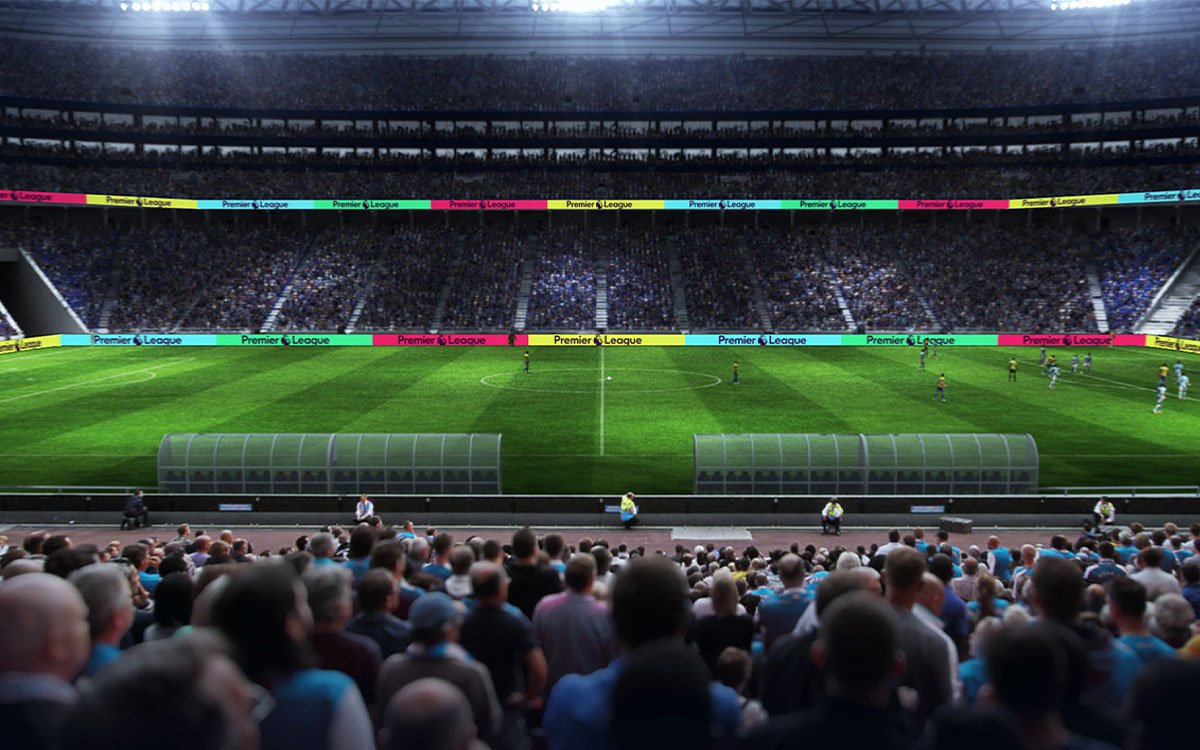
Linear LED displays installed around the pitch or court edge. Designed for continuous sponsor content, live match data, and brand visibility for the entire audience.
- Continuous sponsor rotation
- Visible to all seats
- Live score & clock overlays
- Standard pitch: P6–P10
Center-Hung Scoreboards
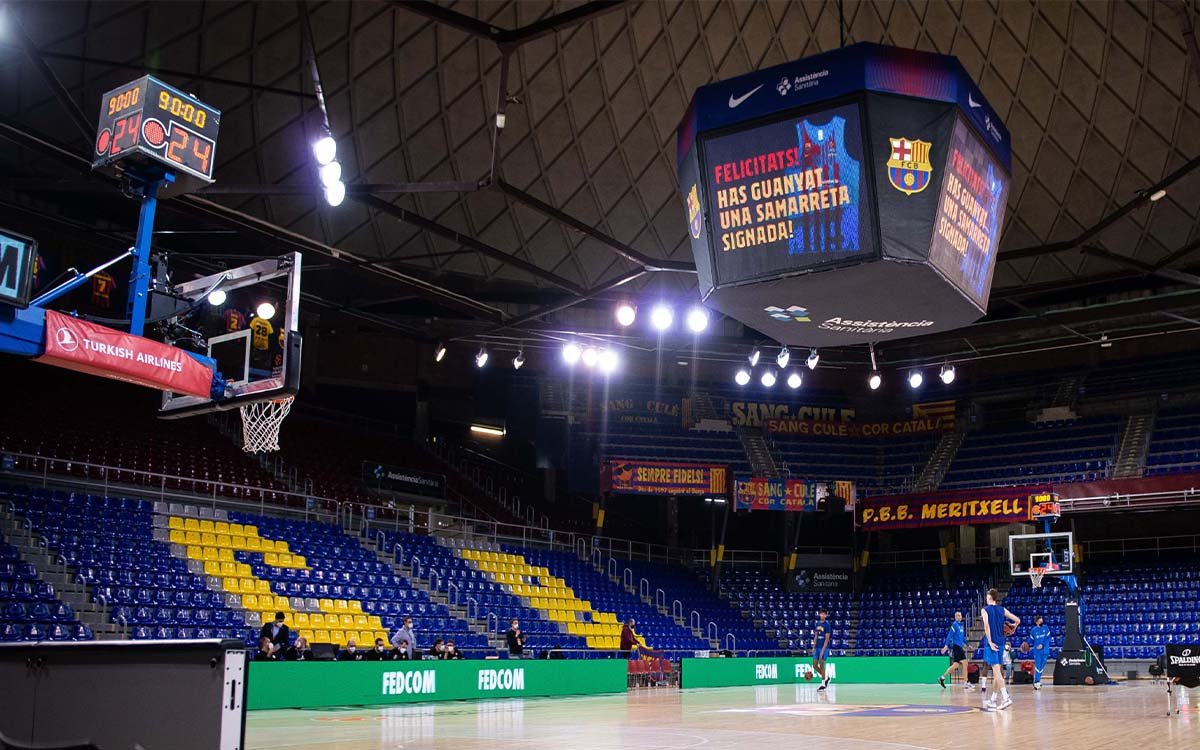
Suspended multi-sided displays positioned at the center of the venue. Designed for score, replays, stats, and immersive fan engagement from every angle.
- Multi-angle viewing (4+ sides)
- Instant replay & stats
- High visual impact for TV
- Standard pitch: P6–P10
These two systems are not competing alternatives — they are complementary. Most professional venues use both. But if you are starting with a limited budget, understanding what each system delivers will help you decide which to install first.
Perimeter LED Boards: Continuous Brand Visibility
Perimeter boards run along the edge of the playing surface, usually at a height of 0.8 to 1.2 meters. They are the primary commercial asset of most stadiums — because every seat in the venue can see them, and they run sponsor content for the entire duration of the event.
What they do best
- Sponsor revenue: continuous rotation of sponsor ads throughout the match — the core revenue engine of a stadium.
- Live match data: score, time, and team names displayed to all spectators at once.
- Brand presence: visible on all broadcast footage of the pitch — huge exposure for your own venue brand.
- Scalability: you can install one side, two sides, or a full ring, and extend over time.
What they require
- Ground-level mounting: a track or rail system running along the pitch edge, protected against player impact.
- Weather protection: outdoor perimeter boards must be IP65-rated for rain, dust, and UV exposure.
- High brightness: 6,000+ nits for daylight visibility and match-day broadcast.
- Control system integration: synchronized with your scoreboard and broadcast systems.
Center-Hung Scoreboards: Immersive Fan Engagement
A center-hung scoreboard is a multi-sided display suspended above the center of the arena. It typically has 4 or more faces, so spectators on every side can see score, stats, and replays without turning their heads.
What they do best
- Instant replay: the single most engaging display element for fans — often cited as the top reason fans attend live games instead of watching on TV.
- Match statistics: live stats, player data, and detailed game information displayed in real time.
- 360° engagement: every spectator gets the same visual experience, regardless of seating position.
- Broadcast visibility: a well-designed center-hung scoreboard becomes part of the venue’s televised identity.
What they require
- Structural rigging: the roof or ceiling must support the weight of the cube plus rigging hardware and cabling.
- Installation access: suspended installation requires specialized rigging crews and careful scheduling.
- Higher structural cost: rigging, cable management, and safety systems typically add 20–40% to the hardware cost.
- Signal integration: broadcast-grade video processing and sync with perimeter boards.
Side-by-Side Comparison
Here is how the two systems compare on the factors that matter most during planning:
| Factor | Perimeter Boards | Center-Hung Scoreboard |
|---|---|---|
| Primary function | Sponsor revenue, brand visibility | Replay, stats, fan engagement |
| Audience coverage | All seats | All seats (multi-sided) |
| Installation complexity | Moderate | High (rigging required) |
| Structural requirements | Ground-level track | Roof / ceiling rigging |
| Typical pitch range | P6 – P10 | P6 – P10 |
| Revenue generation | Direct (sponsors) | Indirect (fan experience) |
| Cost per m² (indicative) | $1,200 – $2,500 | $2,000 – $3,800 |
Which One Does Your Venue Actually Need?
The answer depends on three things: venue type, commercial model, and budget stage.
Start with perimeter boards if:
- You plan to sell sponsor inventory — perimeter boards are the revenue-generating asset.
- Your venue hosts live matches and you need score visibility for all seats.
- You are in phase 1 of a multi-phase installation and want a system that pays for itself.
Start with a center-hung scoreboard if:
- Your venue hosts indoor sports (basketball, volleyball, esports) where the cube is central to the experience.
- Fan engagement and replay are the priority, rather than sponsor revenue.
- Your roof structure already supports the rigging weight, and installation access is available.
Install both if:
- You are building or renovating a professional venue with broadcast coverage.
- You need both revenue generation (perimeter) and fan engagement (center-hung).
- Your budget allows a phased approach — perimeter first, center-hung second.

A Phased Approach That Works
Many of our clients do not install everything at once. A typical phased approach looks like this:
- Phase 1: Install perimeter boards on one or two sides — the revenue-generating layer.
- Phase 2: Extend to a full perimeter ring, and add entry / concourse displays.
- Phase 3: Add a center-hung scoreboard when the venue’s fan engagement strategy is ready.
This approach spreads the investment over 2–3 budget cycles, allows each system to prove its value before the next is added, and keeps the venue operational throughout the upgrade process.
The Bottom Line
Perimeter boards and center-hung scoreboards solve different problems. Perimeter boards generate sponsor revenue and provide score visibility to every seat. Center-hung scoreboards deliver replay, stats, and immersive fan engagement — particularly for indoor venues.
If you are planning a stadium LED project, the question is not “which one is better?” It is “which one should come first?” — and that depends on your commercial model, venue type, and budget cycle.
Not Sure Which System Fits Your Venue?
Tell us your venue type, sports schedule, and commercial goals. Our team will recommend a system combination and a phased plan that fits your budget cycle.
Request a System Recommendation